Healthy skin is one of the body’s most important forms of protection. When skin becomes fragile, dry, thin, irritated, or damaged, the risk of wounds can increase. This is especially common in older adults, patients with chronic illness, people with limited mobility, or individuals who need assistance with daily care. Professional skin care helps protect the skin barrier and identify early warning signs before they become more serious.
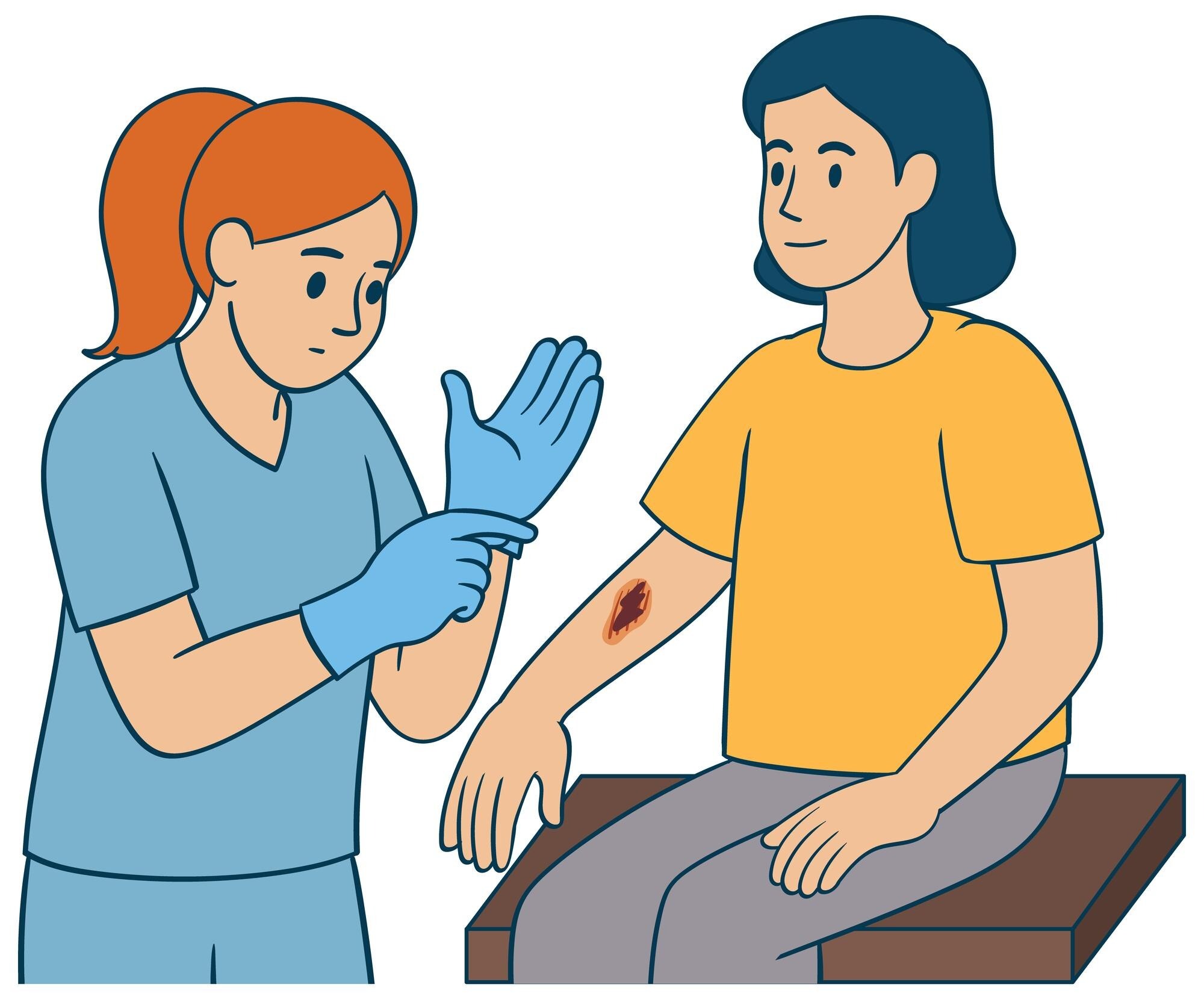
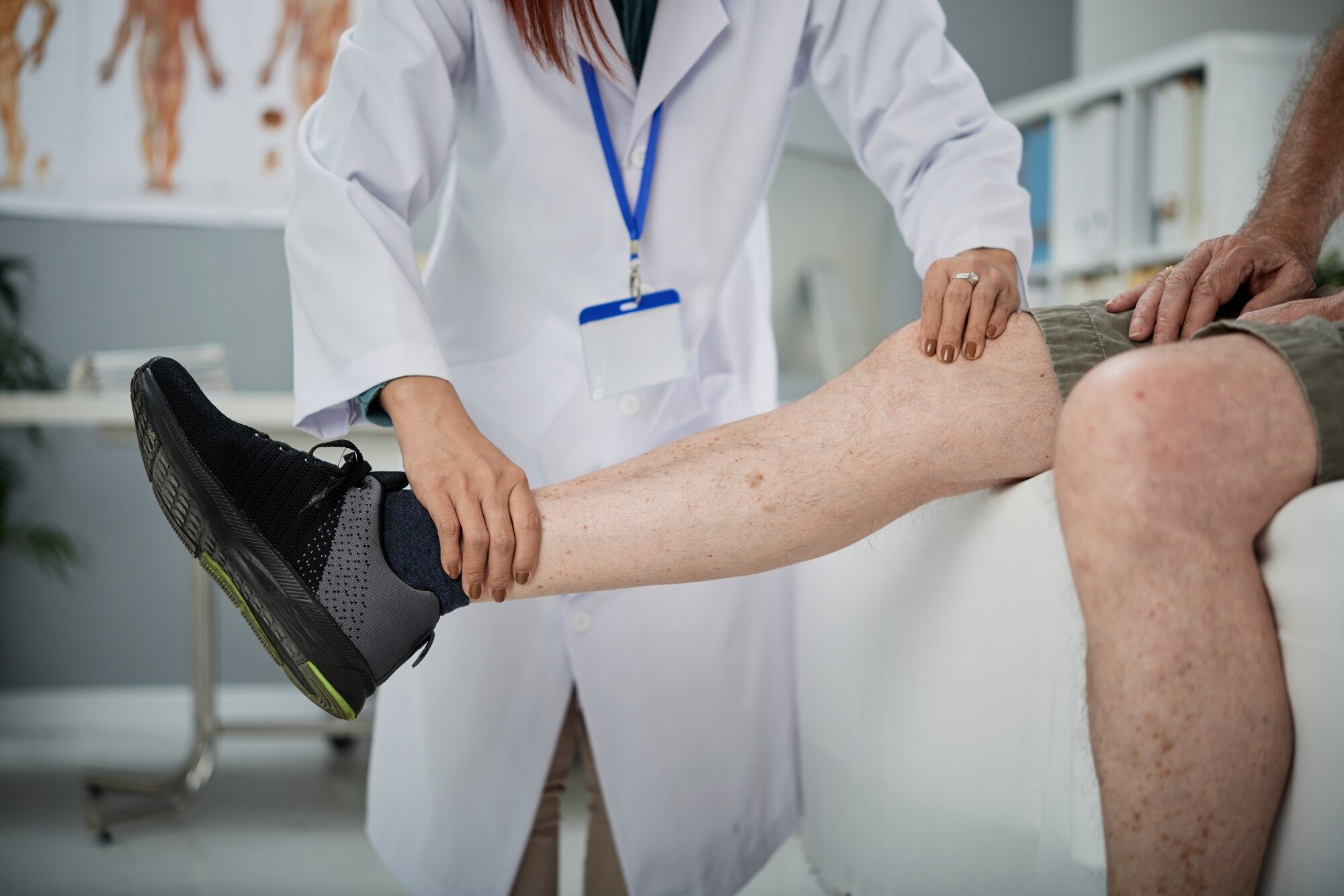
Skin care for fragile skin begins with assessment. A nurse may check for dryness, redness, bruising, cracking, moisture damage, pressure areas, irritation, or early skin breakdown. These small changes can become larger problems if they are not addressed early. By identifying risks, the care team can recommend practical steps to protect the skin and improve comfort.
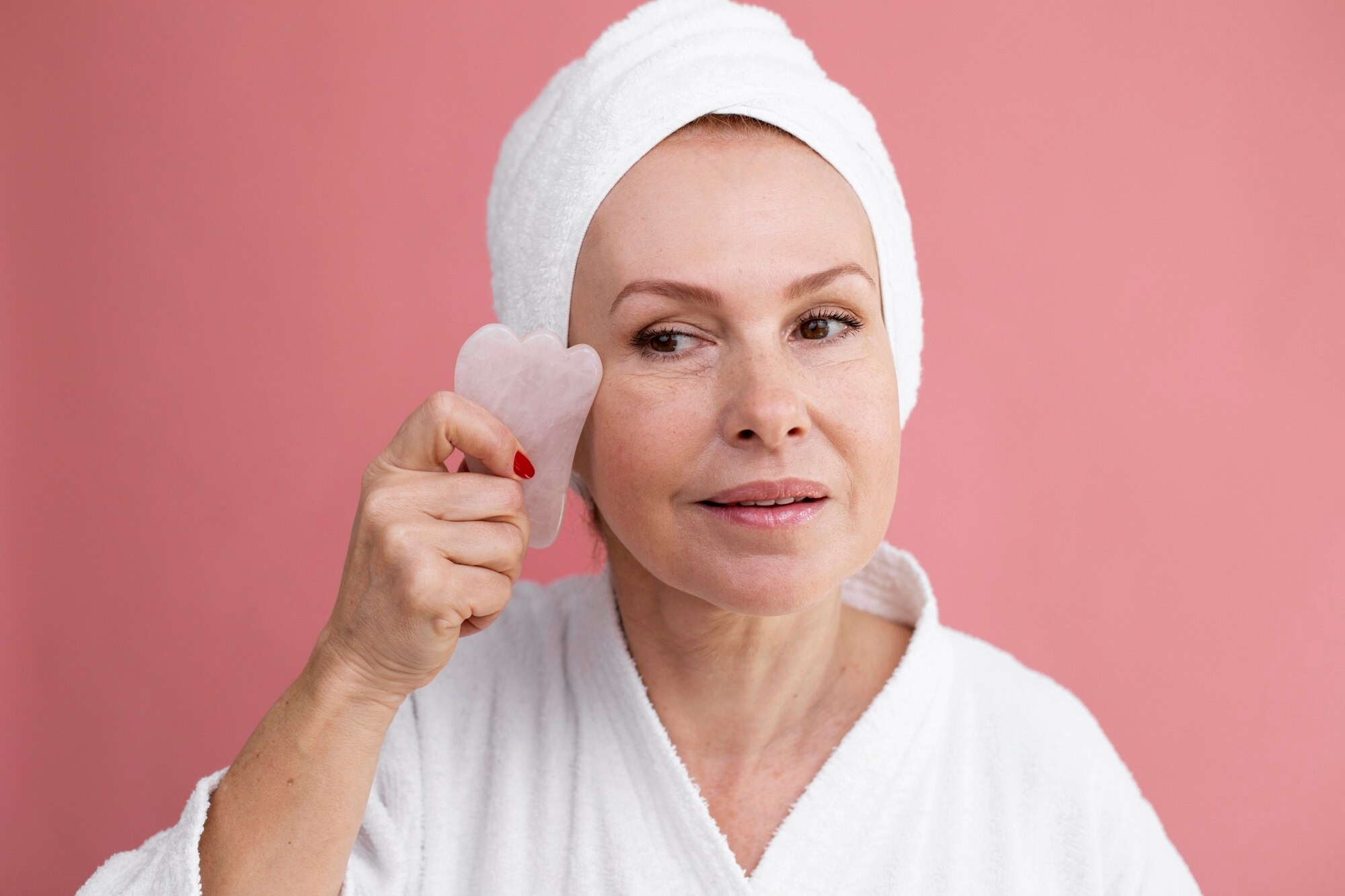
A personalized skin care plan may include gentle cleansing, moisture balance, barrier creams, pressure relief education, and guidance on reducing friction or irritation. For patients who spend long periods in bed or in a wheelchair, daily skin checks are especially important. Caregivers may also need education on how to spot early skin changes and when to ask for help.
Skin care is not only about appearance. It is closely connected to wound prevention, comfort, infection prevention, and quality of life. With consistent support, patients can reduce the risk of skin breakdown and maintain healthier, more comfortable skin. Professional skin care helps patients and families feel more confident in managing daily skin health.