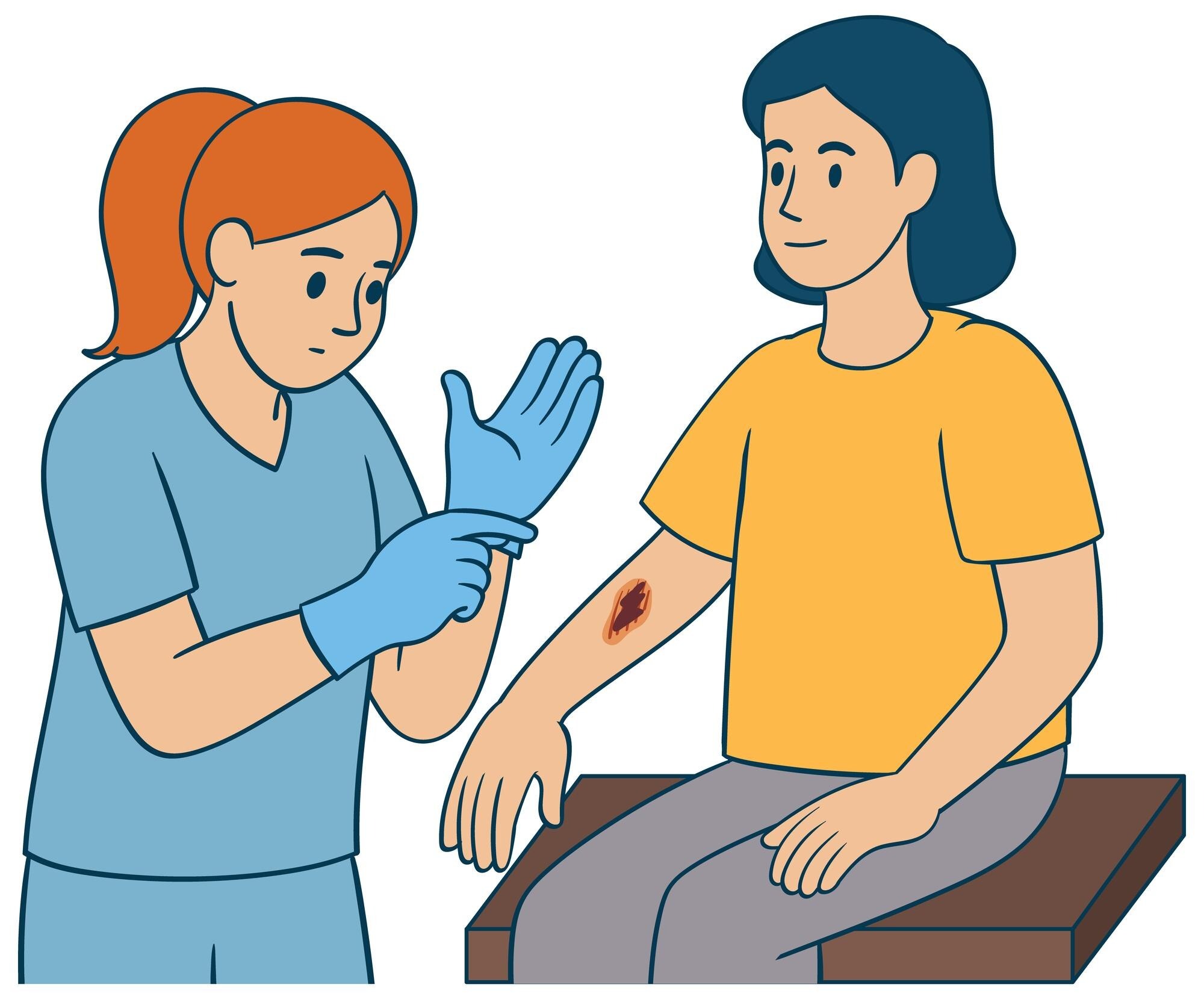

Pressure ulcers, also called pressure injuries or bedsores, can develop when the skin and underlying tissue are exposed to prolonged pressure. These wounds are common in patients who spend long periods in bed, use a wheelchair, have limited mobility, or need assistance changing position. Pressure ulcers may appear on areas such as the hips, heels, tailbone, elbows, or ankles, where the skin is more likely to be pressed against a surface.
Pressure ulcer care requires both wound treatment and prevention planning. The first step is to assess the wound and surrounding skin. A nurse may check the wound size, depth, drainage, color, pain level, and any signs of infection. The skin around the wound is also important because fragile or irritated skin can make healing more difficult.
A care plan may include wound cleansing, appropriate dressing selection, moisture management, skin barrier protection, and pressure relief education. Repositioning is often a key part of prevention and healing. Patients and caregivers may need guidance on how often to change position, how to reduce friction, and how to protect high-risk areas of the skin.
Pressure ulcer care should always focus on comfort, dignity, and long-term skin protection. For patients with limited mobility, prevention is just as important as treatment. Regular skin checks, clean and dry skin, proper support surfaces, and early attention to redness or irritation can help reduce the chance of wounds getting worse. With consistent nurse-led care and caregiver education, pressure ulcers can be managed more safely and with greater confidence.