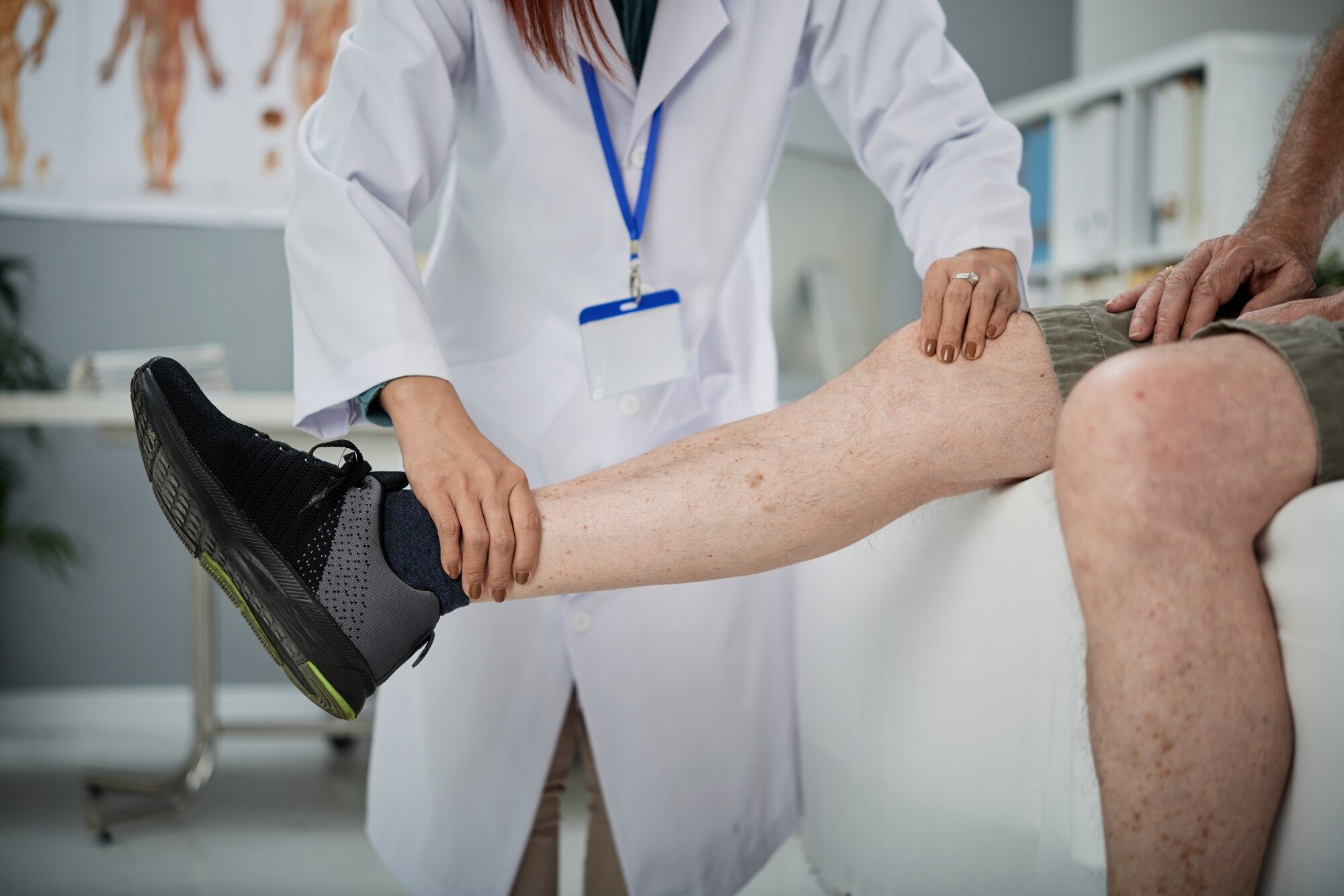
Venous ulcers are wounds that often develop on the lower legs when veins have trouble moving blood back toward the heart. This can lead to swelling, skin changes, discomfort, and slow-healing wounds. Venous ulcers may be long-lasting and can return if the underlying circulation and swelling concerns are not managed properly. That is why venous ulcer care often focuses on both wound healing and prevention.
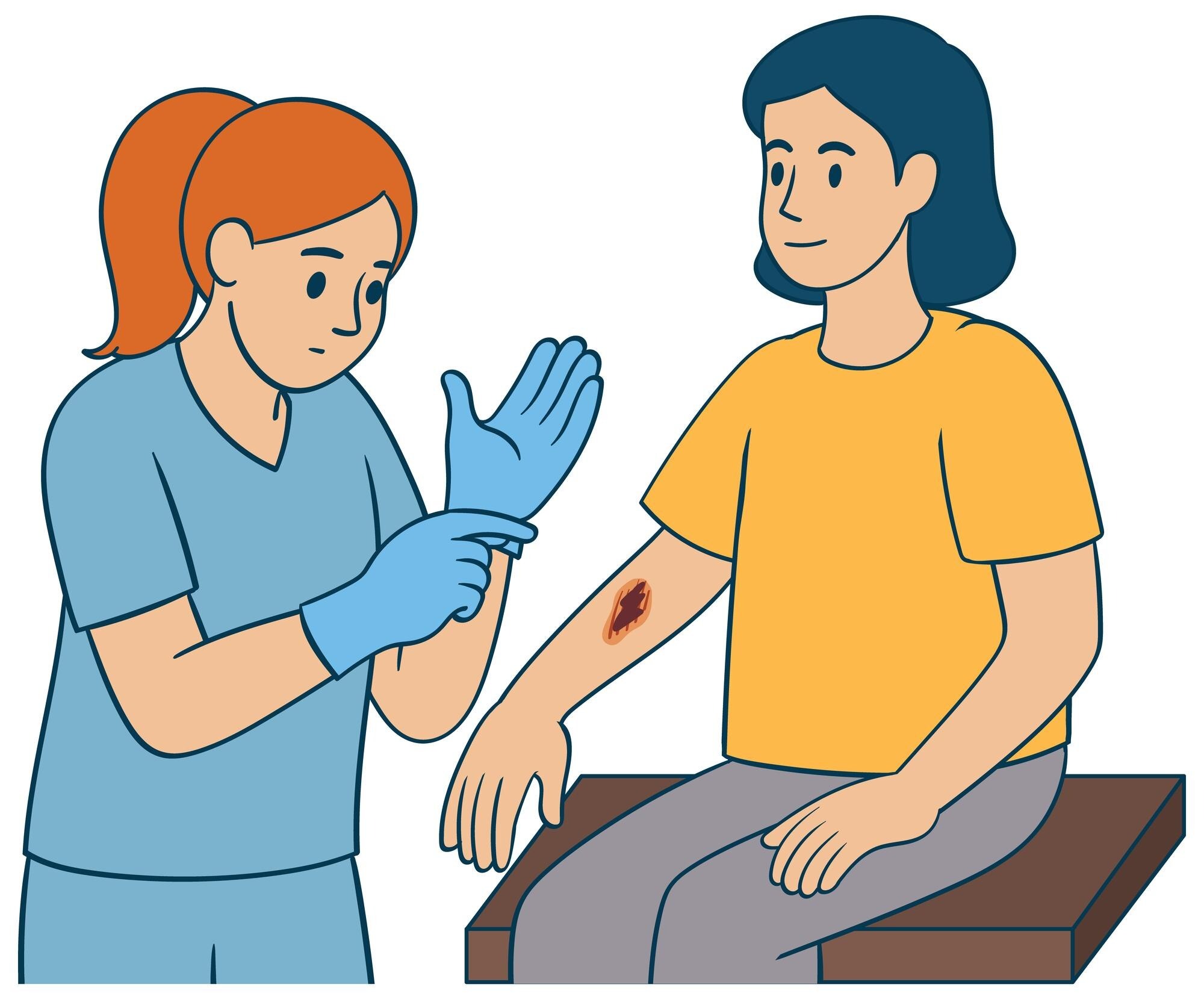
Care usually starts with a detailed wound and skin assessment. A nurse may review the wound size, location, drainage, odor, pain, swelling, and condition of the surrounding skin. The skin around venous ulcers may become dry, discolored, irritated, or fragile, so protecting the surrounding tissue is an important part of care.
Venous ulcer care may include gentle wound cleansing, moisture-balanced dressings, skin barrier protection, swelling management education, and compression support when appropriate and ordered by a healthcare provider. Compression therapy may help improve circulation and reduce swelling for some patients, but it must be used safely and based on the patient’s condition.
Patients with venous ulcers may also benefit from education on leg elevation, daily skin checks, avoiding injury, and recognizing signs of infection. Since venous ulcers can take time to heal, consistent follow-up is important. Regular wound monitoring allows the care plan to be adjusted as the wound changes. With proper care, patients can experience improved comfort, better skin protection, and a more organized path toward healing.