A wound that does not heal can be frustrating and concerning. While some wounds naturally take longer to improve, a wound that remains open, becomes larger, drains heavily, or causes increasing pain should not be ignored. Slow-healing wounds often need professional evaluation to understand what may be preventing recovery.
There are many reasons a wound may not heal properly. Diabetes, poor circulation, infection, repeated pressure, swelling, poor nutrition, limited mobility, and certain medical conditions can all affect the healing process. Sometimes the wound may need a different type of dressing, better moisture balance, pressure relief, or more frequent monitoring. Without proper care, a small wound can become more difficult to manage over time.
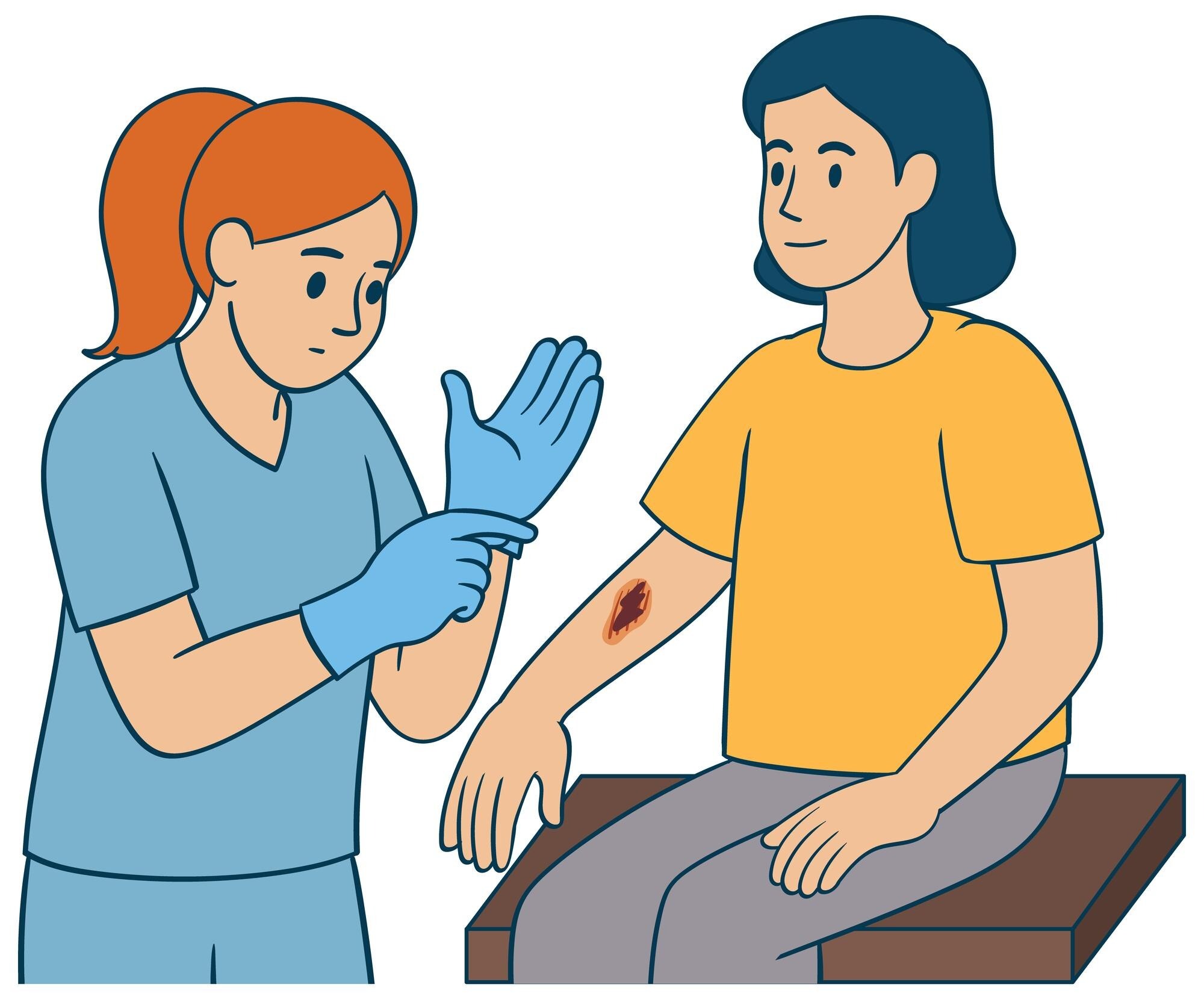
Professional wound care helps identify possible barriers to healing. A nurse may assess the wound size, depth, drainage, odor, pain level, skin condition, and signs of infection. The care plan may include wound cleansing, dressing changes, skin protection, education, and coordination with other healthcare providers when needed. Regular monitoring helps ensure that the wound care approach changes as the wound changes.
Patients should seek help quickly if they notice spreading redness, warmth, swelling, foul odor, fever, increased pain, or drainage that changes color. These may be signs of infection or worsening tissue damage. A wound that is not healing is the body’s way of showing that extra support may be needed. With timely wound care, patients can reduce risks, protect their skin, and move toward safer healing.