Diabetic foot ulcers are one of the most important wound concerns for people living with diabetes. Because diabetes can affect blood flow, nerve sensation, and the body’s natural healing ability, even a small cut, blister, or pressure spot on the foot can become serious if it is not treated early. Many patients with diabetes may not feel pain right away, especially if they have reduced sensation in their feet. This makes regular foot checks and early wound care especially important.
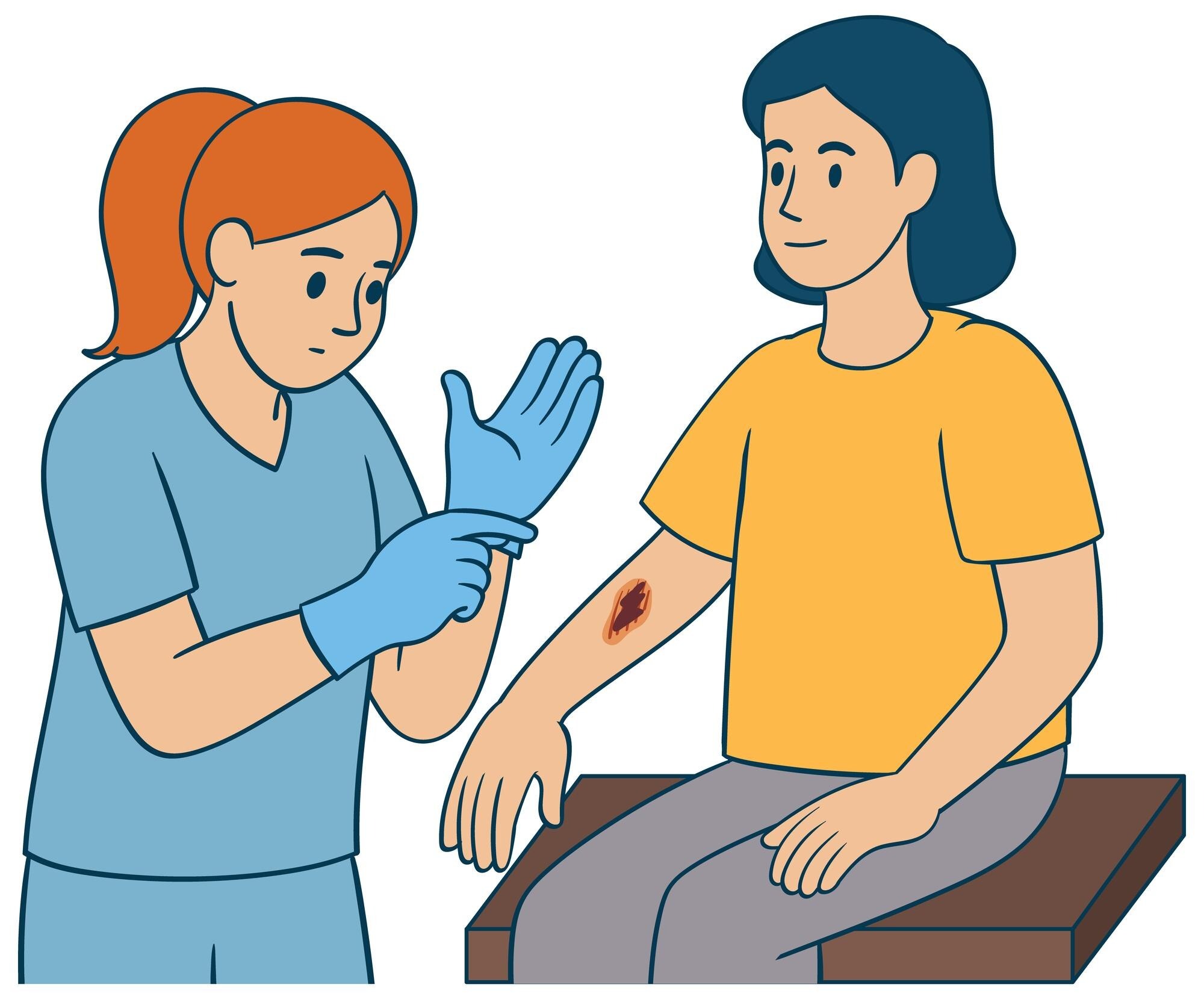
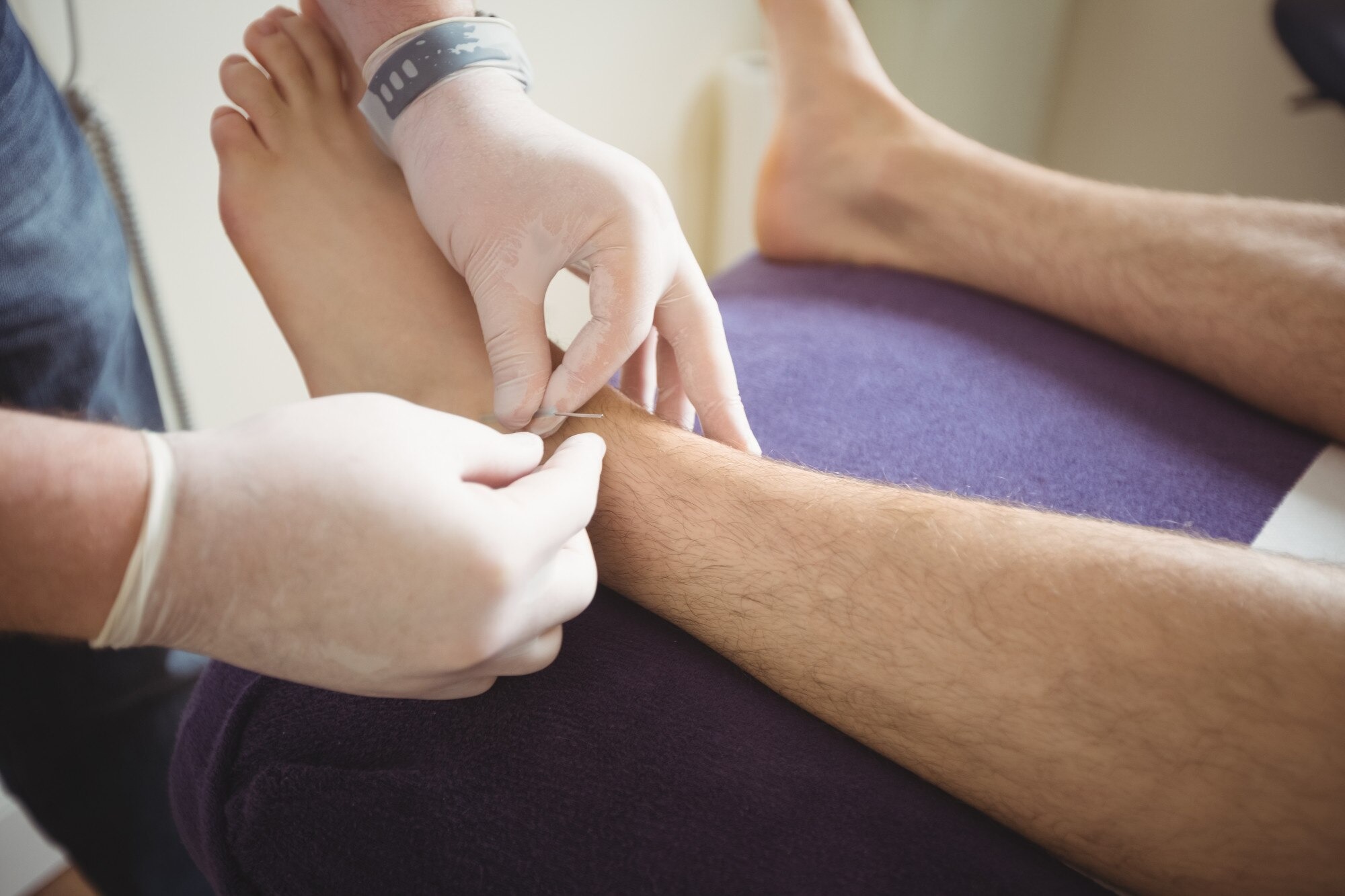
Diabetic foot ulcer care begins with careful assessment. A nurse may look at the wound size, depth, drainage, surrounding skin, odor, pain level, and signs of infection. The goal is to understand what may be slowing healing and what steps can help protect the foot. Care may include wound cleansing, dressing management, infection prevention support, skin protection, and education for both patients and caregivers.
Pressure relief is also an important part of diabetic wound care. If pressure continues on the wound area, healing can become difficult. Patients may need guidance on footwear, walking habits, offloading strategies, and daily foot inspection. Keeping the skin clean, dry, and protected can also help reduce the risk of future wounds.
The purpose of diabetic foot ulcer care is not only to support the current wound but also to help prevent complications. Patients should contact a healthcare provider if they notice redness, swelling, warmth, drainage, odor, darkened skin, or a wound that does not improve. With consistent care, education, and monitoring, diabetic wound care can help protect comfort, mobility, and long-term quality of life.