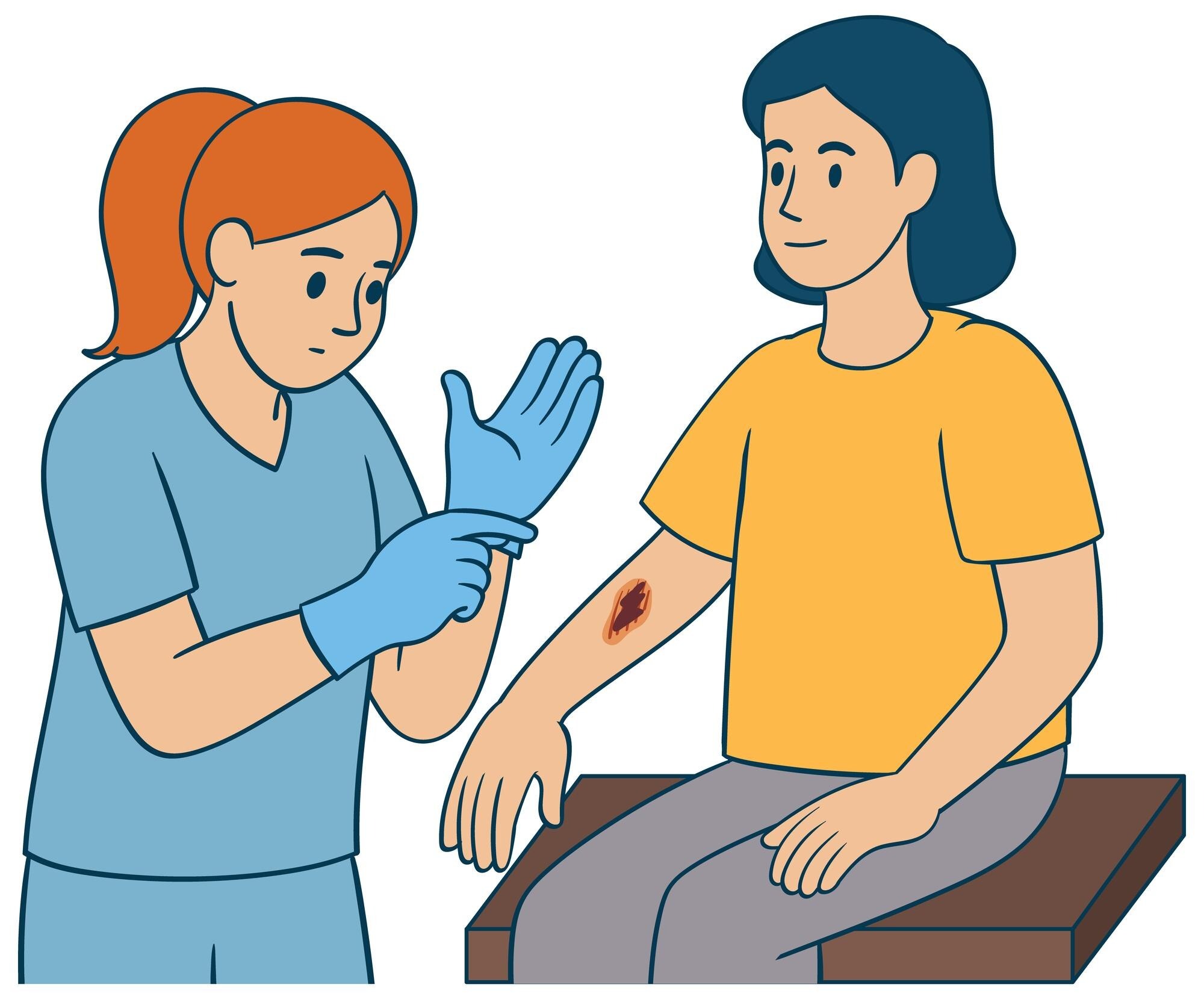
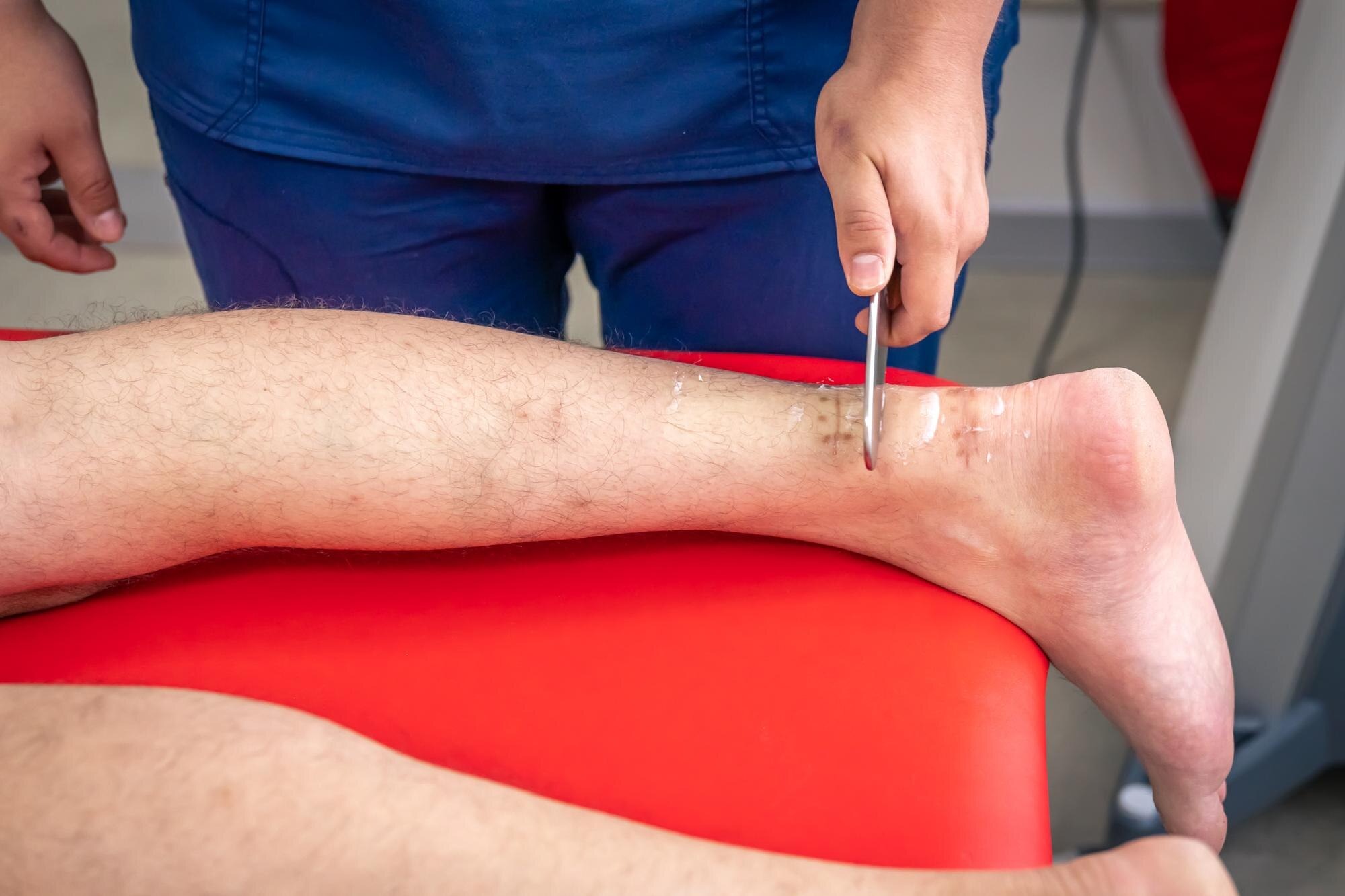
After surgery, proper wound care plays an important role in recovery. A surgical wound may include an incision closed with sutures, staples, surgical glue, or special dressings. While many surgical wounds heal normally, some patients may need extra support due to drainage, swelling, redness, delayed healing, or wound separation. Professional surgical wound care helps protect the incision and supports a safer healing process.
Surgical wound care begins with careful observation. A nurse may assess how the incision looks, whether the wound edges are staying closed, how much drainage is present, and whether the surrounding skin appears healthy. Monitoring for signs of infection is also important. Increased pain, warmth, spreading redness, unusual drainage, odor, or fever may require medical attention.
A nurse-led care plan may include dressing changes, wound cleansing, drainage monitoring, skin protection, and patient education. Patients may also receive guidance on how to keep the wound area protected during daily activities, when to avoid pressure or friction, and what symptoms should be reported promptly. This education helps patients feel more prepared and less anxious during recovery.
Post-operative wound care is especially helpful for patients who have complex incisions, chronic health conditions, limited mobility, or wounds that are not healing as expected. The goal is to protect the surgical site, reduce the risk of complications, and support clean, steady healing. With the right care and monitoring, patients can recover with more confidence and comfort.